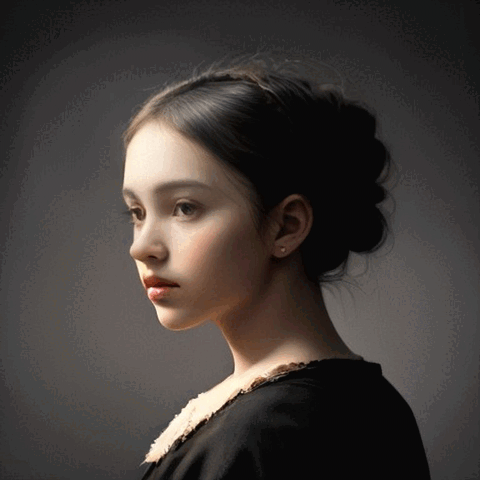
GPT Image 2
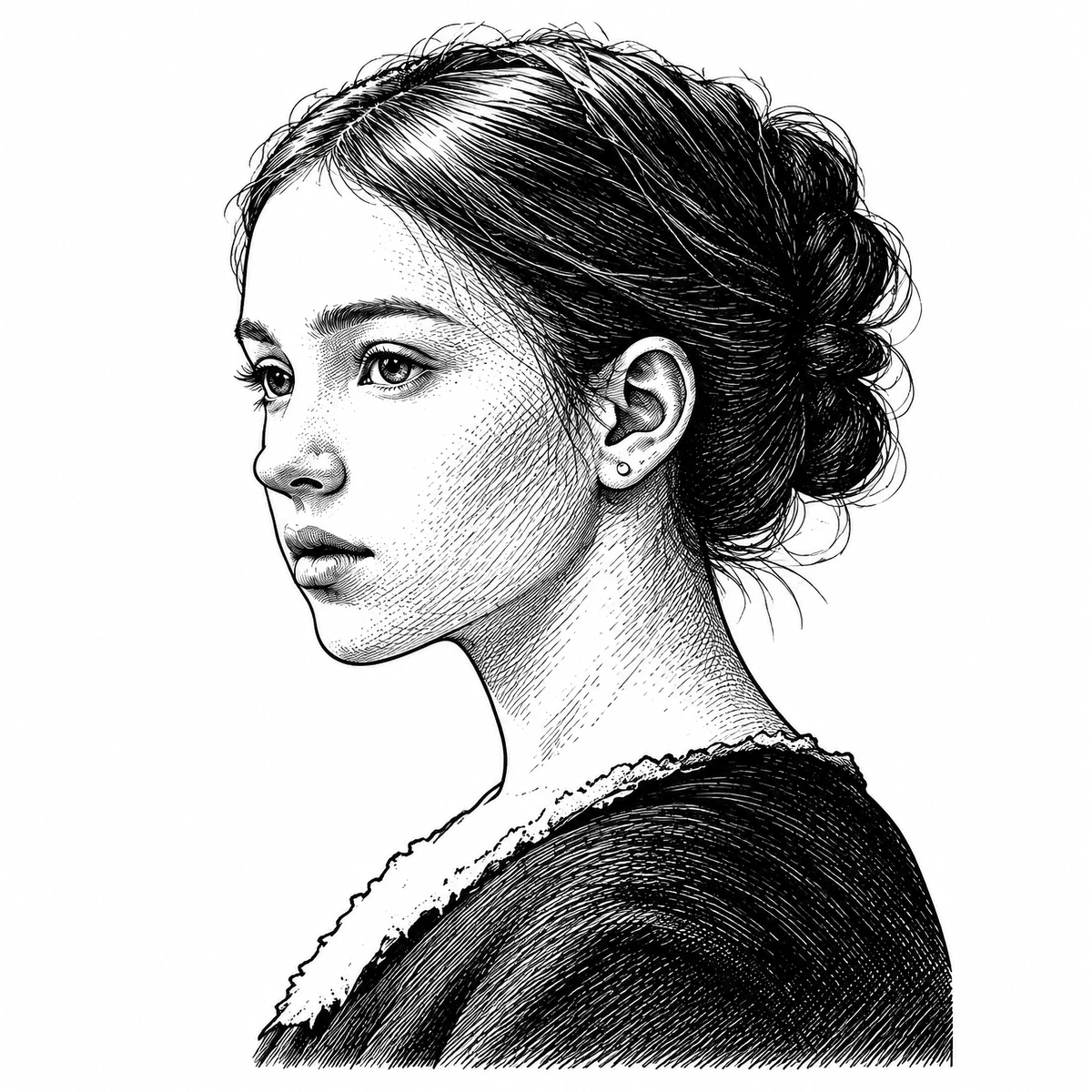
GPT Image 2 — inspect the facial outline and the transition from hair to background.
Portrait study / Likeness before detail
Convert a portrait reference into a black-and-white stencil draft. Compare how image models handle facial features, hair and shadows, then check likeness with your artist before printing.
Real conversions from this website, generated on October 26, 2026. These are digital previews, not photographs of completed tattoos. Model output can change details; compare with your source before printing. Three model outputs from the same portrait reference, not three independent photo tests.
GPT Image 2 — inspect the facial outline and the transition from hair to background.
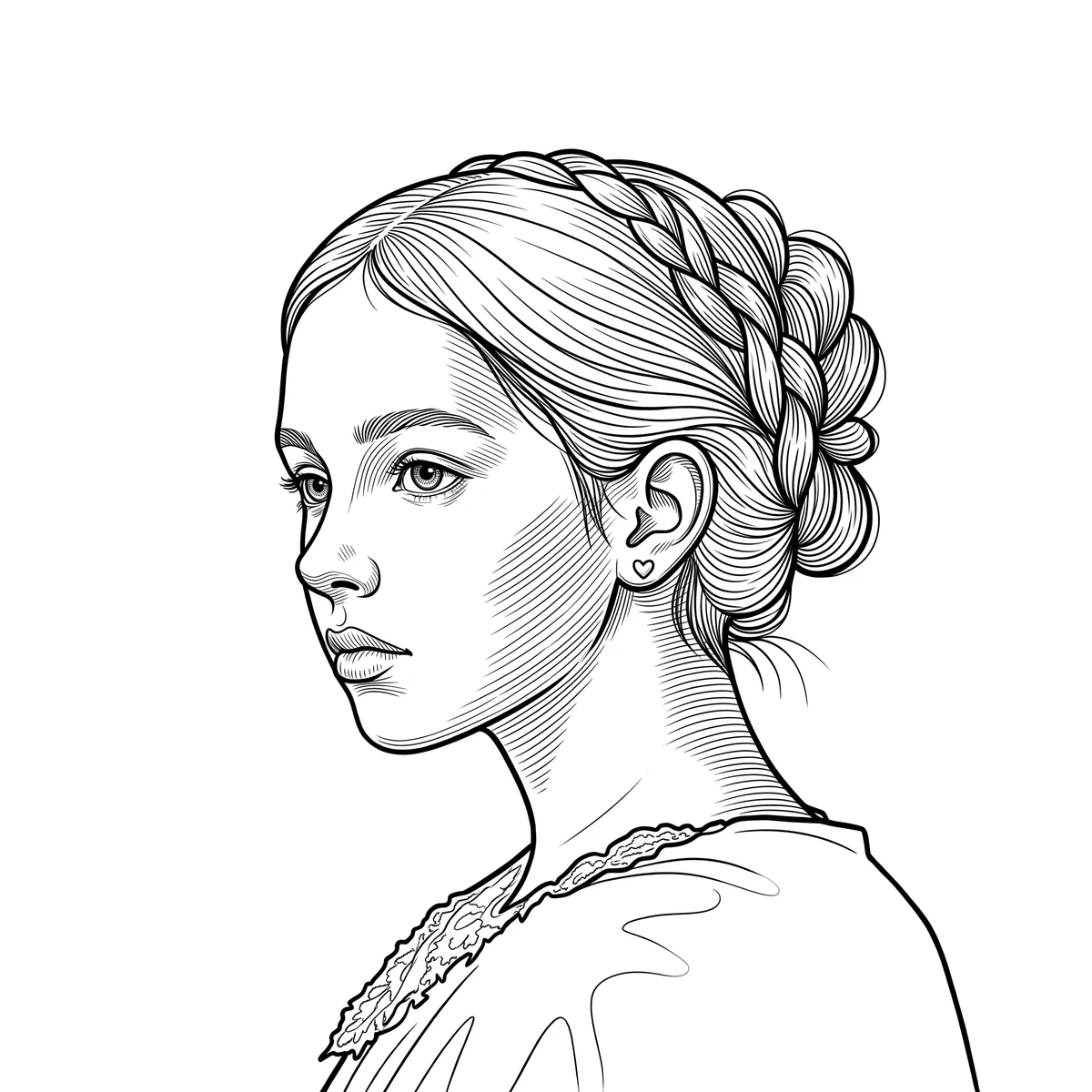
Nano Banana 2 — this run added a heart-shaped earring absent from the source. Do not treat plausible new details as a faithful tracing.
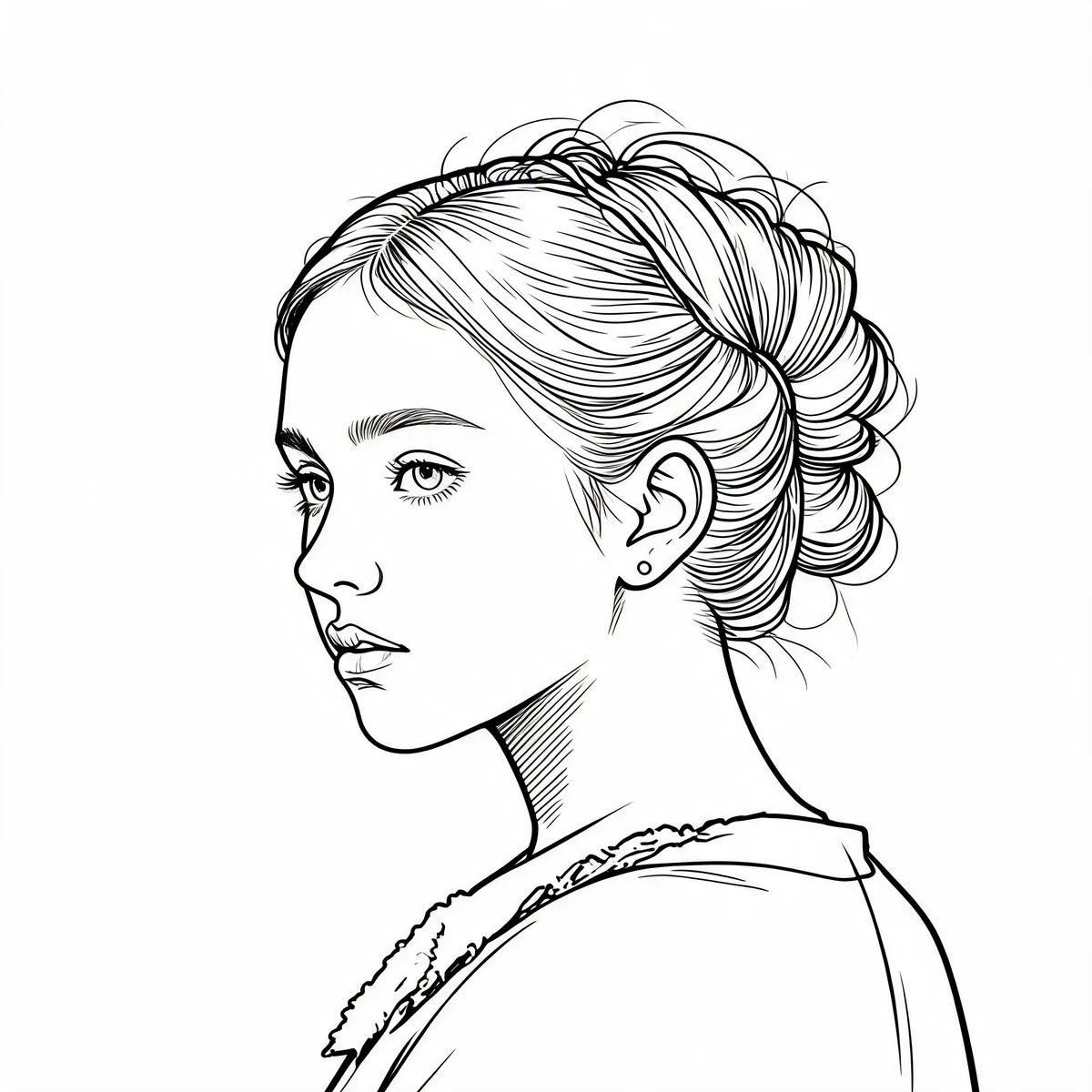
Seedream 5 Lite — this run redraws the face and hair with fewer shadow marks. Compare the altered eyes, lips and visible ear with the original.
Choose a photograph where eyes, nose and mouth are visible. Severe side lighting, heavy filters and blurred eyelashes make it harder to tell which dark areas are features and which are shadows.
Compare eye placement, the nose profile, lips and jaw against the original. Do not accept a result just because it looks like a convincing face: it needs to preserve the particular person’s features.
Dense hair and skin hatching can crowd a small print. Discuss what should remain with your artist. Download a draft and test the scale on plain paper; the tool does not decide a safe tattoo size for you.
Exact likeness is not guaranteed. AI can alter expression, proportions and small facial landmarks. Compare carefully and ask the artist to redraw inaccurate areas before use.
The same upload workflow can accept a pet photo. Fur, whiskers and dark eyes need extra checking. The examples here are a human portrait; they do not demonstrate pet-specific results.
Models can emphasize different contours and textures from the same image. These examples show actual differences from one reference; they are not a promise that a model is always best for every face.